

Unleashing Efficiency: Microsuction For HCAs | spcareclinic, Ear care is an essential aspect of healthcare, particularly for Healthcare Assistants (HCAs) who often encounter patients with various ear-related issues. Among the different methods available for ear wax removal, microsuction has gained significant popularity due to its effectiveness, safety, and patient comfort. In this article, we’ll explore the concept of microsuction specifically tailored for HCAs, delving into its definition, benefits, procedure, training requirements, and more.
Microsuction is a minimally invasive procedure used for the removal of excess ear wax and debris from the ear canal. Unlike traditional methods such as ear syringing or irrigation, which involve the introduction of liquid into the ear, microsuction utilizes a gentle suction mechanism to extract the wax under direct visualization using a microscope or loupe.
Traditional methods like ear syringing can pose certain risks, such as injury to the ear canal, perforation of the eardrum, or discomfort for patients with underlying ear conditions. Microsuction, on the other hand, offers a safer alternative as it doesn’t involve the use of water or pressure, minimizing the likelihood of complications.
As frontline healthcare providers, HCAs play a crucial role in promoting ear health among patients. Many individuals seek assistance for ear wax removal due to discomfort, hearing impairment, or potential complications. By mastering techniques like microsuction, HCAs can enhance their ability to deliver comprehensive care and improve patient outcomes.
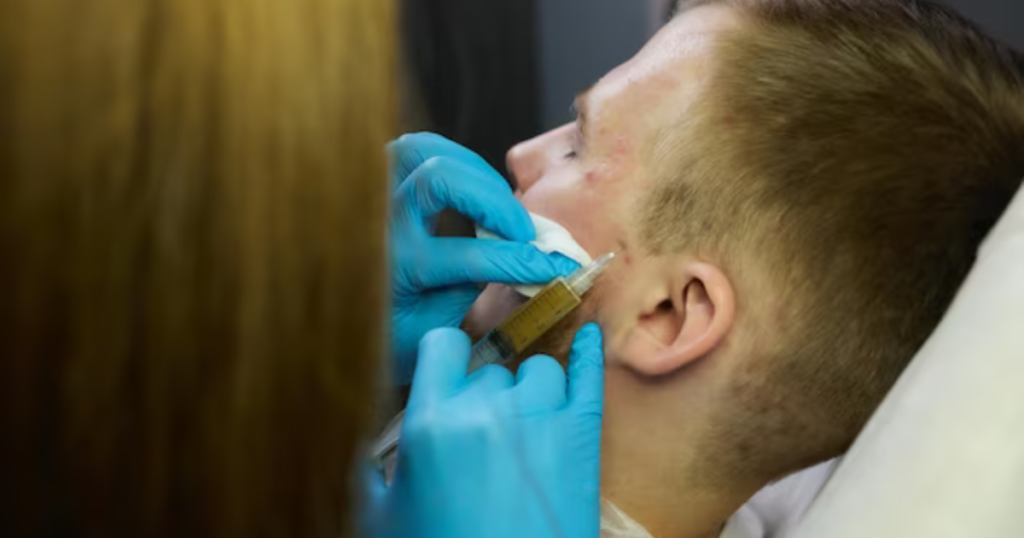
Microsuction is considered one of the safest and most effective methods for ear wax removal, especially when performed by trained professionals. HCAs can confidently rely on this technique to address various ear-related issues with minimal risk to patients.
The use of specialized instruments and magnification devices allows HCAs to visualize the ear canal clearly and remove wax with precision. This level of control ensures thorough cleaning while minimizing the likelihood of accidental injury.
Unlike other methods that may cause discomfort or anxiety in patients, microsuction is generally well-tolerated and less invasive. HCAs can prioritize patient comfort throughout the procedure, enhancing the overall experience and satisfaction.
To ensure proficiency and safety, HCAs must undergo specific training and obtain certification in microsuction techniques. Training programs cover essential aspects such as anatomy of the ear, equipment operation, infection control measures, and hands-on practice under supervision.

The procedure begins with a thorough examination of the ear using an otoscope to assess the presence and condition of ear wax. Once confirmed, a specialized suction device, often equipped with a fine, sterile suction tip, is used to gently remove the wax under direct vision.
Maintaining strict hygiene and infection control protocols is paramount during microsuction procedures. HCAs should ensure that all equipment is sterilized, and appropriate personal protective equipment (PPE) is worn to prevent cross-contamination.
Some common challenges HCAs may encounter include difficulty visualizing the ear canal due to patient anatomy or excessive wax buildup, patient discomfort or anxiety during the procedure, and managing unexpected complications such as bleeding or dizziness.
Effective communication with patients is key to a successful microsuction procedure. HCAs should explain the process clearly, address any concerns or questions, and provide reassurance throughout. Additionally, ongoing professional development through workshops, seminars, and peer learning can further enhance skills and confidence.

After completing the procedure, HCAs should educate patients on proper ear care practices to minimize the risk of wax buildup and related issues. This may include recommendations for ear hygiene, the use of ear drops for maintenance, and when to seek further medical attention if necessary.
Microsuction For HCAs offers HCAs a valuable tool for delivering high-quality ear care services with precision, safety, and patient satisfaction. By mastering this technique and adhering to best practices, HCAs can enhance their professional capabilities and contribute to better ear health outcomes for their patients.